Summer Skies of Japan
13 Nights

Cruise Line: Princess Cruises
Ship: Sapphire Princess
Port of Departure: Tokyo (Yokohama)
Port of Arrival: Tokyo (Yokohama)
Destinations:
- Tokyo (Yokohama), Japan
- Nagoya, Japan
- Osaka, Japan
- Kochi, Japan
- Hiroshima, Japan
- Busan, South Korea
- Hakodate, Japan
- Hitachinaka (for Nikko), Japan
- Tokyo (Yokohama), Japan
Reviews for Sea Temple Private Apartments Port Douglas By Boutique Collection
I stayed at this property and absolutely loved it! It was easily the best experience of my life. I stayed at this property and absolutely loved it! It was easily the best experience of my life. I stayed at this property and absolutely loved it! It was easily the best experience of my life.
I stayed at this property and absolutely loved it! It was easily the best experience of my life.
I stayed at this property and absolutely loved it! It was easily the best experience of my life.
|
Return airfares on full service carrier Return economy class flights from Australia* to Tokyo |
|
2 nights 4-star accommodation in Tokyo Date: 22-24 July 2027 |
|
What is the Hakodate Minato Festival? The Hakodate Minato Festival (also known as the Hakodate Port Festival) is a spectacular five-day summer celebration held annually in Hakodate, Hokkaido from August 1–5. Day 1 features a dazzling fireworks display over the harbour, spirited parades with mikoshi (portable shrines), beautifully decorated floats, and the city's famous "Ika Odori" (Squid Dance) in which locals and visitors alike join in the fun. |
|
11 night Circle Japan cruise onboard Sapphire Princess Date: 24 July-04 August 2027 - 11 nights, Tokyo return |
|
Twice as Nice - Double Your Onboard Spending Money* TWICE AS NICE | Double Your Onboard Spending Money* |
|
Drinks, Wifi, Casual dining & more all included Save on things you love most like drinks, Wi-Fi and dining |
|
Cruise Inclusions - All onboard meals in complimentary dining venues & selected non-alcoholic beverages |
Itinerary
Day 1 - Tokyo (Yokohama), Japan
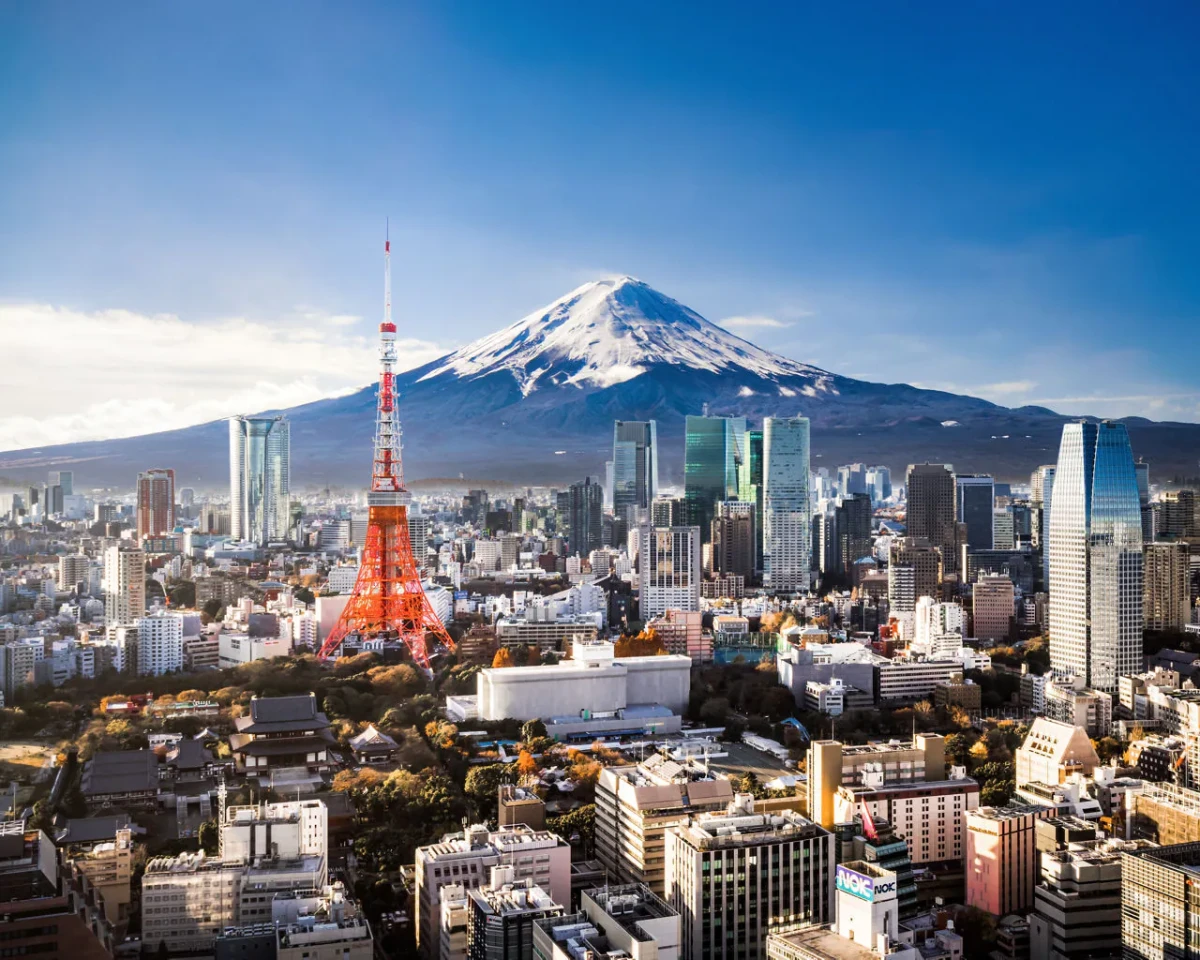
Yokohama and Edo began life as sleepy fishing villages. That changed in the early 17th century after Tokugawa Ieyasu became Shogun. Edo became the center of political power in Japan, a position the city retained even after the restoration of Imperial rule in 1866. Contemporary Tokyo may be the most astonishing city on earth. It's a paradoxical mix of ancient tradition and postmodern culture. The Ginza - an international shopping mecca - stands near the serene grounds of the Imperial Palace, and the hyper-speed of 21st century consumerism is mysteriously reconciled with the elegance and serenity of traditional culture. Tokyo provides the traveler with a dizzying experience. With the Meiji Restoration of 1868, Edo was renamed Tokyo, the "Eastern Capital," to distinguish it from the old imperial capital at Kyoto, the "Western Capital."
Arrive: July 24, 2027
Depart: July 24, 2027
Day 2 - Nagoya, Japan
Nagoya, capital of Japan–s Aichi Prefecture, is a manufacturing and shipping hub in central Honshu. The city–s Naka ward is home to museums and pachinko (gambling machine) parlors. Naka also includes the Sakae entertainment district, with attractions like the Sky-Boat Ferris wheel, which is attached to a mall.
Arrive: July 25, 2027
Depart: July 25, 2027
Day 3 - Osaka, Japan
For centuries, Osaka was Japan's cultural and commercial gateway to Asia - the point of entry both for trade goods and, most importantly, cultural influences that shaped Japanese society. From tea to Zen, from art to science and philosophy, Osaka was Japan's contact with the great East Asian cultures that flourished in China and Korea. The city reached its zenith in the late 16th century, when the great feudal lord Toyotomi Hideyoshi made Osaka his capital. Toyotomi was master of Japan, and an immense administrative and commercial center rapidly developed around Osaka Castle. After Toyotomi's death, the nation's seat of power shifted from Osaka to a sleepy little fishing village called Edo - modern Tokyo. While overshadowed by Tokyo, Osaka remains Japan's second largest city and a vital commercial center. Modern Osaka is home to monuments from Japan's past including Toyotomi's immense castle and the Sumiyoshi Shrine. The city is also your gateway to Kyoto, Japan's ancient imperial capital and the nation's cultural and spiritual center.
Arrive: July 26, 2027
Depart: July 26, 2027
Day 4 - Kochi, Japan
Arrive: July 27, 2027
Depart: July 27, 2027
Day 5 - Hiroshima, Japan
On August 6, 1945, human history was irrevocably altered when the American bomber Enola Gay dropped an atomic bomb on Hiroshima. The bomb was code-named "Little Boy," but its detonation left half the city in ruins and aflame. Today, Hiroshima is a monument not only to the destructive forces harnessed by men but also to the indomitable will of the human spirit to overcome tragedy. At the heart of the city lies Peace Memorial Park and the Atomic Bomb Dome. The gutted walls of the city's old Industry Promotion Hall and the skeletal frame that supported its copper dome, vaporized in the blast, are instantly recognizable symbols of Hiroshima. Travelers to Hiroshima will discover a more serene note at nearby Miyajima Island. One of the top-three scenic spots of Japan, the island is home to ancient Itsukushima Shrine, a designated National Treasure.
Arrive: July 28, 2027
Depart: July 28, 2027
Day 6 - Kanmon Straits Scenic Cruising
Arrive: July 29, 2027
Depart: July 29, 2027
Day 7 - Busan, South Korea
The second largest city in South Korea, Busan is your gateway to a fascinating land whose culture is a unique amalgam of old and new. Modern high-rise towers dwarf ancient Buddhist temples. The city's bustling business district offers a stark contrast to the serene grounds of Yongdusan Park. In short, Busan is a microcosm of South Korea, a nation whose startling economic success often obscures one of Asia's most sophisticated and venerable cultures. Busan was the scene of bitter fighting during the Korean War. The United Nations Memorial Cemetery marks the final resting place for the troops from 16 nations who gave their lives during the conflict.
Arrive: July 30, 2027
Depart: July 30, 2027
Day 8 - At Sea
Arrive: July 31, 2027
Depart: July 31, 2027
Day 9 - Hakodate, Japan
The Hakodate Minato Festival (also known as the Hakodate Port Festival) is a spectacular five-day summer celebration held annually in Hakodate, Hokkaido from August 1–5, with Day 1 featuring a dazzling fireworks display over the harbour, spirited parades with mikoshi (portable shrines), beautifully decorated floats, and the city's famous "Ika Odori" (Squid Dance) in which locals and visitors alike join in the fun. Today, the Sapphire Princess will be docked in Hakodate from 7:00am until 11:00pm so you can fully enjoy the festivities and fireworks!
It took Commodore Perry and American gunboat diplomacy to open Japan to the outside world after two centuries of self-imposed isolation. In 1859, the port of Hakodate became the first Japanese city fully opened to Westerners under the Treaty of Amity and Commerce. Foreigners soon flocked to Hakodate, and today visitors wandering the cobblestone streets of the city's Motomachi District can view their Western-style frame houses. Hakodate, once a fishing port famed for its high quality fish and shellfish, quickly became Hokkaido's largest city and one of Japan's most important ports. The Great Hakodate Fire of 1934 dealt the city a near fatal blow - a blow from which Hakodate was slow to recover. Today the city is Hokkaido's third largest - surpassed by Sapporo and Asahikawa - but retains its foremost position as the finest Japanese producer of sushi's raw product: the high quality seafood caught in Hokkaido's cold waters. It may not compare to Tokyo's Tsukiji's Fish Market, but at Hakodate's four-block-long Morning Market, vendors offer a stunning array of fresh fish and shellfish prized for sushi including salmon roe, sea urchin, scallops and crab. Restaurants and food stands prepare a wide arrange of dishes including donburi topped with fresh seafood.
Arrive: August 1, 2027
Depart: August 1, 2027
Day 10 - At Sea
Arrive: August 2, 2027
Depart: August 2, 2027
Day 11 - Hitachinaka (for Nikko), Japan
Hitachinaka is a city located in Ibaraki Prefecture, Japan. As of 1 July 2020, the city had an estimated population of 154,663 in 64,900 households and a population density of 1547 persons per km–. The percentage of the population aged over 65 was 26.1%. The total area of the city is 99.96 square kilometres.
Arrive: August 3, 2027
Depart: August 3, 2027
Day 12 - Tokyo (Yokohama), Japan
Yokohama and Edo began life as sleepy fishing villages. That changed in the early 17th century after Tokugawa Ieyasu became Shogun. Edo became the center of political power in Japan, a position the city retained even after the restoration of Imperial rule in 1866. Contemporary Tokyo may be the most astonishing city on earth. It's a paradoxical mix of ancient tradition and postmodern culture. The Ginza - an international shopping mecca - stands near the serene grounds of the Imperial Palace, and the hyper-speed of 21st century consumerism is mysteriously reconciled with the elegance and serenity of traditional culture. Tokyo provides the traveler with a dizzying experience. With the Meiji Restoration of 1868, Edo was renamed Tokyo, the "Eastern Capital," to distinguish it from the old imperial capital at Kyoto, the "Western Capital."
Arrive: August 4, 2027
Depart: August 4, 2027

